

Navigating Uncertainty with Confidence
As we move further into 2026, South Africa’s fuel industry continues to face unprecedented pressure driven by global conflict, supply chain disruptions, and rising operational costs. The ongoing instability surrounding the Strait of Hormuz has once again highlighted how vulnerable global fuel markets remain, with diesel prices reaching record highs locally and placing immense strain on transport, mining, agriculture, and logistics industries.
At Virgin Fuels, we understand the real impact these market conditions have on your business. Rising diesel prices do not only affect fuel budgets — they influence transport costs, delivery schedules, production timelines, and ultimately profitability. In challenging times like these, businesses need more than just a fuel supplier; they need a dependable strategic partner.
Our commitment remains focused on delivering quality-tested fuel, dependable nationwide supply, competitive pricing, and personalised service that helps businesses stay operational and prepared. We continue to work closely with our clients to improve fuel planning, optimise storage strategies, and manage risk in an increasingly volatile market.
While uncertainty remains a reality in the months ahead, opportunities still exist for businesses that plan proactively and partner wisely. At Virgin Fuels, we remain committed to supporting your operations with reliable fuel solutions and service excellence every step of the way.
Thank you for your continued trust and partnership.
ADNOC’s Potential Acquisition of Shell’s Network
One of the biggest developments in South Africa’s fuel industry is the reported acquisition discussions between Abu Dhabi National Oil Company (ADNOC) and Shell’s South African retail network.
If finalised, the transaction would involve approximately 600 fuel stations and mark the end of Shell’s 124-year retail presence in South Africa. The move reflects broader shifts taking place within the global energy industry as international players reposition investments and expand into strategic emerging markets.
Industry analysts believe the acquisition could reshape competition within South Africa’s downstream fuel sector while opening new opportunities for logistics providers, suppliers, contractors, and independent operators.
The transaction also highlights growing international interest in Africa’s energy infrastructure and the strategic importance of South Africa within regional fuel distribution networks.
Rising Fuel Costs Threaten Smaller Operators
South Africa’s road freight and logistics industry remains under immense pressure as escalating diesel prices continue to increase operational costs across the country. Smaller transport operators are particularly vulnerable, with many struggling to absorb the rapid rise in fuel expenses.
Industry experts estimate that fuel can account for between 35% and 55% of a transport company’s total operating costs. For businesses operating on tight margins and delayed payment cycles, the current environment is becoming increasingly unsustainable.
The challenge is compounded by broader logistical inefficiencies, including rail limitations, port delays, and increased dependence on road freight transportation. Many operators are now being forced to reassess fleet efficiency, route planning, and fuel management strategies to remain competitive.
At Virgin Fuels, we understand how critical reliable fuel supply and operational support are for transport businesses. Our focus remains on helping clients improve planning, minimise downtime, and secure consistent fuel availability during uncertain times.
Businesses Must Prepare for Continued Volatility
The fuel market remains highly unpredictable, and businesses can no longer afford to operate reactively when it comes to fuel management. With ongoing global uncertainty, fluctuating exchange rates, and supply chain disruptions, strategic fuel planning has become essential for operational stability.
Businesses that actively monitor fuel consumption, improve storage capabilities, secure reliable supply partnerships, and optimise fleet efficiency will be better positioned to manage future price shocks.
Key strategies for businesses:
- Build stronger fuel usage forecasting
- Invest in preventative fleet maintenance
- Explore secure bulk fuel storage options
- Improve operational efficiency and route planning
- Partner with suppliers offering flexible delivery solutions
At Virgin Fuels, we continue working closely with our clients to help them manage fuel risks while ensuring reliable supply, quality assurance, and service excellence across South Africa.
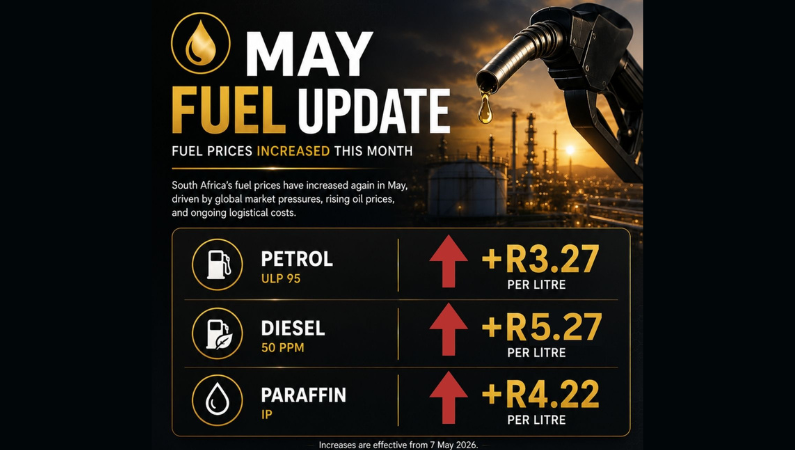
Why South Africa’s Diesel Crisis Is Far From Over
South African businesses are currently facing one of the most severe diesel pricing environments in recent years, with wholesale diesel prices breaching the R30-per-litre mark for the first time. While fuel price increases are nothing new, the scale and speed of the recent hikes are creating major concerns across multiple sectors.
The biggest contributor remains the ongoing geopolitical tensions in the Middle East. Continued disruptions around the Strait of Hormuz — one of the world’s most important oil shipping routes — have significantly impacted global fuel supply chains. As a result, international crude oil prices have surged, placing additional pressure on imported fuel costs in South Africa.
Unlike petrol, diesel prices are also heavily influenced by global industrial demand. Diesel powers freight transport, mining equipment, agricultural machinery, generators, and shipping fleets worldwide. This demand continues to outpace supply, especially as refinery capacity remains constrained globally.
Key factors driving diesel prices higher:
- Global refinery shortages limiting diesel production
- Increased international freight and logistics demand
- Rising shipping and insurance costs
- Seasonal northern hemisphere heating demand
- Continued rand volatility against the US dollar
- Increased transport and supply chain costs locally
The impact is already being felt across South Africa’s transport and logistics sectors, with smaller operators reportedly being pushed to the brink of closure as fuel expenses consume up to 55% of operational costs.
How businesses can manage the pressure:
- Monitor fuel consumption trends closely
- Improve fleet route planning and efficiency
- Invest in secure on-site fuel storage
- Reduce unnecessary idling and fuel wastage
- Partner with suppliers offering reliable delivery and planning support
At Virgin Fuels, we continue helping clients navigate these challenges through dependable fuel supply, market insight, and tailored operational support.