

Building Resilience In A Changing Energy Landscape
As we enter the second half of 2026, South Africa’s fuel sector continues to evolve at a rapid pace. While fuel pricing remains an important consideration for businesses, the conversation has shifted beyond price alone. Today, operational resilience, supply security, environmental compliance, and logistics efficiency are becoming equally important factors in maintaining competitive operations.
At Virgin Fuels, we are seeing more organisations take a strategic approach to fuel management. Businesses across transport, mining, agriculture, construction, and manufacturing are increasingly investing in better planning, improved storage infrastructure, and fuel monitoring systems to gain greater control over consumption and costs. These proactive measures are helping organisations reduce risk and improve operational certainty in a challenging environment.
The South African fuel industry is also undergoing structural change. New investments in logistics infrastructure, growing interest in alternative energy solutions, and the continued digitisation of supply chains are reshaping how fuel is sourced, distributed, and managed. Companies that embrace these changes will be better positioned to remain competitive in the years ahead.
At Virgin Fuels, our commitment remains unchanged. We continue to provide quality-tested fuel, dependable nationwide delivery, expert advice, and personalised service that helps our clients keep operations running smoothly. Thank you for your continued trust and partnership. We look forward to supporting your business through every opportunity and challenge that lies ahead.
Digital Fuel Management: The Future Of Operational Control
Fuel management is rapidly becoming one of the most important operational disciplines for South African businesses. With fuel representing a significant portion of operating costs, companies are increasingly adopting digital tools to improve visibility and control.
Modern fuel management systems provide real-time insights into fuel usage, deliveries, storage levels, vehicle consumption, and potential losses. Rather than relying on manual reporting, businesses can now make data-driven decisions that improve efficiency and reduce waste.
Benefits include:
• Improved fuel accountability across fleets and sites
• Early detection of fuel theft and losses
• Accurate consumption reporting
• Better forecasting and procurement planning
• Reduced administration and manual record-keeping
Mining operations, transport companies, agricultural businesses, and construction contractors are among the sectors leading adoption. The ability to monitor fuel performance remotely allows management teams to respond quickly to unusual trends and prevent costly disruptions.
Industry analysts expect digital fuel technologies to become increasingly common across South Africa over the next five years as businesses focus on operational optimisation.
At Virgin Fuels, we continue to support clients with reliable supply solutions that integrate seamlessly into modern fuel management strategies. Better visibility leads to better decisions, stronger cost control, and improved business performance.
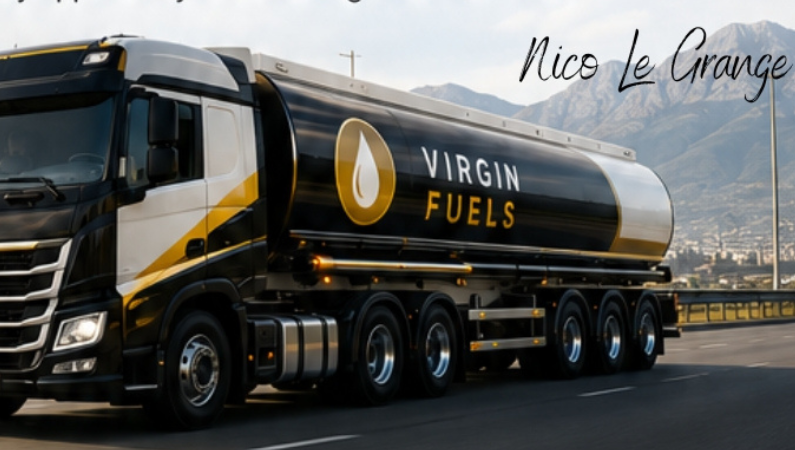
South Africa's Logistics Corridors: Why Fuel Supply Depends On Infrastructure
South Africa’s logistics sector remains under intense scrutiny as government and industry stakeholders work to improve freight movement across key economic corridors.
Congestion at ports, rail constraints, and increased reliance on road transport continue to influence fuel demand and distribution patterns. As more freight shifts onto road networks, demand for diesel remains strong across transport and logistics sectors.
Recent infrastructure improvement initiatives are aimed at strengthening freight efficiency and reducing supply chain bottlenecks. These projects are expected to improve the movement of goods between major economic hubs and export facilities.
Key benefits of improved logistics infrastructure include:
• Reduced transport delays
• Lower operating costs
• Improved supply chain reliability
• Increased economic competitiveness
• Better fuel distribution efficiency
For fuel suppliers and consumers alike, infrastructure development plays a critical role in maintaining reliable supply chains. Efficient transport networks help ensure products reach customers safely, quickly, and cost-effectively.
Businesses that understand the relationship between infrastructure performance and fuel supply are better positioned to plan for future growth. As South Africa continues investing in logistics improvements, opportunities will emerge for companies prepared to adapt.
Virgin Fuels remains committed to supporting clients with dependable fuel delivery solutions regardless of operating location or industry sector.

The Growing Importance Of Fuel Quality Assurance
In an increasingly competitive environment, fuel quality has become a key business consideration. Poor-quality fuel can lead to equipment failures, reduced engine performance, increased maintenance costs, and unexpected downtime.
Modern diesel engines are designed to operate with precise fuel specifications. Even minor contamination issues can impact efficiency and reliability. This is particularly important for industries such as mining, agriculture, logistics, and construction where equipment utilisation directly affects profitability.
Businesses are becoming more aware of the value of fuel testing and quality verification.
Why fuel quality matters:
• Improved engine performance
• Reduced maintenance costs
• Lower risk of injector damage
• Better fuel efficiency
• Increased equipment lifespan
Quality assurance is no longer simply a compliance issue. It has become a strategic operational requirement. Companies are increasingly demanding greater transparency from suppliers regarding testing procedures and product integrity.
At Virgin Fuels, every delivery is supported by quality-focused processes designed to provide clients with confidence in the fuel they receive. Reliable fuel quality helps businesses maximise productivity while protecting valuable assets.
As operating costs continue to rise, fuel quality will remain one of the most important factors influencing equipment performance and long-term operational success.
Alternative Fuels And The South African Transport Sector
Alternative fuels continue to attract attention globally as businesses explore ways to reduce emissions and improve sustainability. In South Africa, the conversation is gaining momentum, particularly within large fleet and logistics operations.
While diesel remains the backbone of commercial transport, interest in biofuels, renewable diesel, hydrogen technologies, and electric vehicle infrastructure continues to grow. Industry experts believe the future will involve a combination of energy solutions rather than a single replacement technology.
Challenges remain, including infrastructure development, investment costs, and operational practicality. However, businesses are increasingly monitoring developments to understand how alternative fuels may affect future fleet strategies.
For now, diesel continues to play a critical role in powering South Africa’s economy, but companies that stay informed about emerging technologies will be better prepared for future transitions.
Virgin Fuels continues to monitor industry developments and provide clients with insights into evolving fuel trends and market opportunities.
Winter Operations: Preparing Fuel Systems For Colder Conditions
Winter presents unique challenges for businesses operating fleets, generators, and heavy equipment. Colder temperatures can affect fuel performance, equipment reliability, and operational efficiency if proper precautions are not taken.
Preventative maintenance becomes especially important during the winter months. Businesses should ensure fuel storage systems are clean, water contamination is minimised, and equipment servicing schedules are maintained.
Winter preparation checklist:
• Inspect fuel storage tanks regularly
• Monitor water contamination risks
• Service filters and fuel systems
• Check generator readiness
• Review emergency fuel supply plans
Proactive preparation helps reduce downtime and improve operational reliability during periods of increased demand.
At Virgin Fuels, we work closely with clients to ensure consistent fuel availability throughout the winter season. Effective planning today can help prevent costly operational disruptions tomorrow.
Fuel Efficiency Trends: Small Changes, Big Savings
Many businesses focus on fuel prices when managing costs, but operational efficiency often presents the greatest opportunity for savings.
Small improvements in driver behaviour, route optimisation, preventative maintenance, and vehicle utilisation can significantly reduce fuel consumption over time. Technology is also playing a growing role in identifying inefficiencies and improving performance.
Practical fuel-saving opportunities include:
• Reducing unnecessary idling
• Optimising delivery routes
• Maintaining tyre pressures
• Scheduling preventative maintenance
• Monitoring consumption data
As operating costs remain under pressure, businesses that focus on efficiency gains can achieve measurable improvements without major capital investment.
Virgin Fuels encourages clients to view fuel management as a strategic business function rather than simply a procurement activity. Long-term efficiency improvements can deliver substantial financial benefits while improving operational performance.