

Leading with Reliability in an Unpredictable Year Ahead
As we step into 2026, one thing remains certain: South African businesses continue to operate in an environment defined by uncertainty. From volatile fuel prices and logistics disruptions to infrastructure constraints and tightening margins, the pressure on operations has never been greater.
At Virgin Fuels, our commitment this year is simple – to make fuel supply one less thing our customers need to worry about. Reliability, transparency and proactive service are the value drivers that set us apart, and they will remain our focus as we support you through another demanding year.
We are entering 2026 with strengthened supply relationships, improved delivery efficiencies and continued investment in our people and systems. This allows us to respond faster, communicate clearer and deliver consistently – whether you are operating a national fleet, a single site or managing remote operations.
What truly differentiates Virgin Fuels is our hands-on, partnership-based approach. We don’t just deliver fuel; we work alongside your business to help you manage consumption, control costs and plan smarter in changing market conditions.
Thank you for trusting Virgin Fuels as your fuel partner. We look forward to building on this relationship and adding measurable value to your operations throughout 2026.
Nico le Grange
CEO – Virgin Fuels
Fueling Smarter in 2026: What Operational Leaders Should Be Doing Differently
The businesses that will outperform in 2026 are not necessarily the biggest – they are the most informed, adaptable and operationally disciplined. Fuel remains one of the largest controllable operating costs across logistics, agriculture, mining, construction and manufacturing. The way it is managed now matters more than ever.
Here’s what smart operators are prioritising this year:
- Tighter fuel management controls
Improved tracking of deliveries, usage patterns and stock levels to eliminate waste and unauthorised consumption. - Supplier reliability over price chasing
Missed or delayed deliveries cost far more than a few cents per litre. Businesses are choosing suppliers who deliver consistently and communicate proactively. - Data-driven consumption planning
Understanding seasonal usage trends, peak demand periods and operational inefficiencies allows for better budgeting and forecasting. - Risk mitigation for load shedding and infrastructure strain
Backup fuel solutions for generators and critical operations are now essential, not optional. - Cleaner, more efficient fuel solutions
Focus on fuel quality to protect engines, reduce maintenance costs and improve performance in modern fleets.
At Virgin Fuels, we support our customers in moving beyond transactional fuel buying. Our team works closely with clients to assess supply risks, optimise delivery schedules and ensure fuel quality consistency across all sites.
In a year where every operational decision impacts profitability, smarter fuel management becomes a competitive advantage – not just a cost line item.
Fuel Price Volatility in South Africa: Planning Beyond the Monthly Adjustment
South African businesses have become accustomed to fuel price announcements, yet the impact of volatility extends far beyond the pump price. In 2026, fluctuating global oil markets, exchange rate pressure and local infrastructure challenges continue to create uncertainty for fuel-dependent industries.
For many sectors, the real challenge is not price increases alone, but planning around unpredictability. Transport operators struggle with margin stability, agricultural producers face rising input costs, and manufacturers must absorb escalating logistics expenses.
Forward-thinking businesses are shifting their focus from reactive fuel purchasing to proactive fuel strategy. This includes improved consumption visibility, smarter delivery planning and working with suppliers who offer reliable communication and operational insight – not just supply.
Virgin Fuels supports South African industries by offering consistency in delivery, transparent pricing structures and dependable service that allows businesses to plan with confidence, even when market conditions fluctuate.
Fuel may be a variable cost, but the way it is managed doesn’t have to be. With the right partner, businesses can stabilise one of their most critical operational inputs and protect long-term sustainability in a challenging economic climate.
Why Fuel Quality Matters More Than Ever in Modern Engines
As vehicle and equipment technology continues to advance, fuel quality has become a critical operational consideration. Modern engines are designed for efficiency, but they are far less tolerant of contaminated or inconsistent fuel.
Poor fuel quality can result in clogged filters, injector damage, reduced fuel efficiency and increased maintenance downtime – costs that far outweigh any short-term savings.
Virgin Fuels places strict emphasis on fuel integrity, from sourcing and storage through to delivery. By maintaining high quality standards and operational discipline, we help protect customer assets and extend equipment lifespan.
In 2026, businesses that prioritise quality fuel supply will experience fewer breakdowns, improved performance and better operational continuity – particularly in industries where uptime is non-negotiable.
Fuel Security as a Business Continuity Strategy
Business continuity planning in South Africa has evolved. What once focused on power availability now extends to fuel security – especially for operations reliant on generators, fleet mobility and remote sites.
Load shedding, grid instability and operational risk have made dependable fuel access a strategic requirement. Delayed deliveries or supply gaps can halt production, disrupt logistics and compromise safety.
Virgin Fuels works with customers to ensure uninterrupted fuel access through reliable scheduling, proactive communication and contingency-focused planning. Our approach helps businesses build resilience into their operations rather than reacting to disruptions.
Fuel security is no longer about emergency response; it’s about strategic preparedness. Companies that plan fuel supply as part of their continuity strategy will remain operational, competitive and stable – even when external conditions are unpredictable.
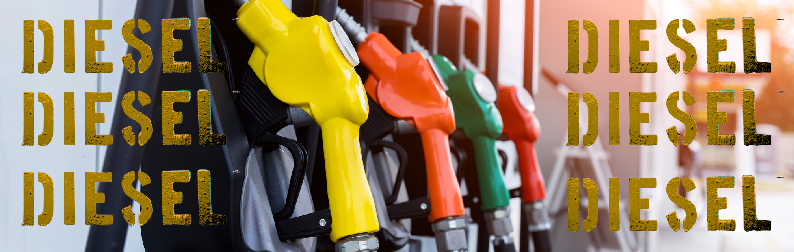
South African Diesel Ban Remains on Track: What It Means for Industry
South Africa’s long-awaited transition to cleaner fuels is moving into its next critical phase, with the diesel ban linked to Cleaner Fuels Two (CF2) standards remaining firmly on track as the country heads toward 2027. The initiative aims to significantly reduce harmful emissions by enforcing lower sulphur levels and tighter controls on other noxious fuel components.
Under the CF2 framework, both diesel and petrol sold in South Africa will be required to contain no more than 10 parts per million (ppm) of sulphur by 2027. This represents a major shift from the current standards, where fuels with as little as 50 ppm and up to 500 ppm sulphur are still permitted. In addition to sulphur, CF2 regulations will also limit benzene content to 1% and aromatics to 35%, bringing South Africa in line with fuel standards that have been in place in Europe and the United States for over a decade.
Major fuel producers have already begun preparing for the transition, investing substantial capital into upgrading existing refinery infrastructure. However, this comes at a challenging time for the local refining industry. South Africa’s crude oil refining capacity has declined sharply over the past five years, with only two refineries currently operational. As a result, national capacity now sits at approximately 350,000 barrels per day, increasing reliance on imported fuels.
While experts caution that regulatory delays remain possible—CF2 implementation has previously been postponed—the environmental and public health drivers behind cleaner fuels remain compelling. High sulphur diesel contributes to nitrogen oxide emissions and fine particulate matter, both of which degrade air quality and elevate health risks, particularly respiratory illnesses.
For fleet operators, transporters, and industry at large, the diesel ban signals an inevitable shift toward cleaner, higher-quality fuels. While challenges remain, the transition represents a critical step toward a more sustainable and environmentally responsible fuel landscape in South Africa.