
Navigating South Africa’s Fuel Price Landscape
In 2023, staying ahead of fuel price fluctuations is crucial for both businesses and individuals. Current insights into South Africa’s fuel pricing reveal a landscape marked by uncertainty. To help you manage costs effectively, here’s a brief outlook and advice:
Price Predictions: Keep an eye on global oil trends, currency fluctuations, and local regulations, which all influence fuel prices. While predictions can be uncertain, staying informed can help you make informed decisions.
Cost Management: Implement fuel-efficient practices, maintain your vehicles, and consider alternative fuels where feasible. These steps will not only reduce expenses but also contribute to a greener future.
Stay informed, plan wisely, and adapt to changes – these are the keys to navigating South Africa’s fuel price landscape in 2023.
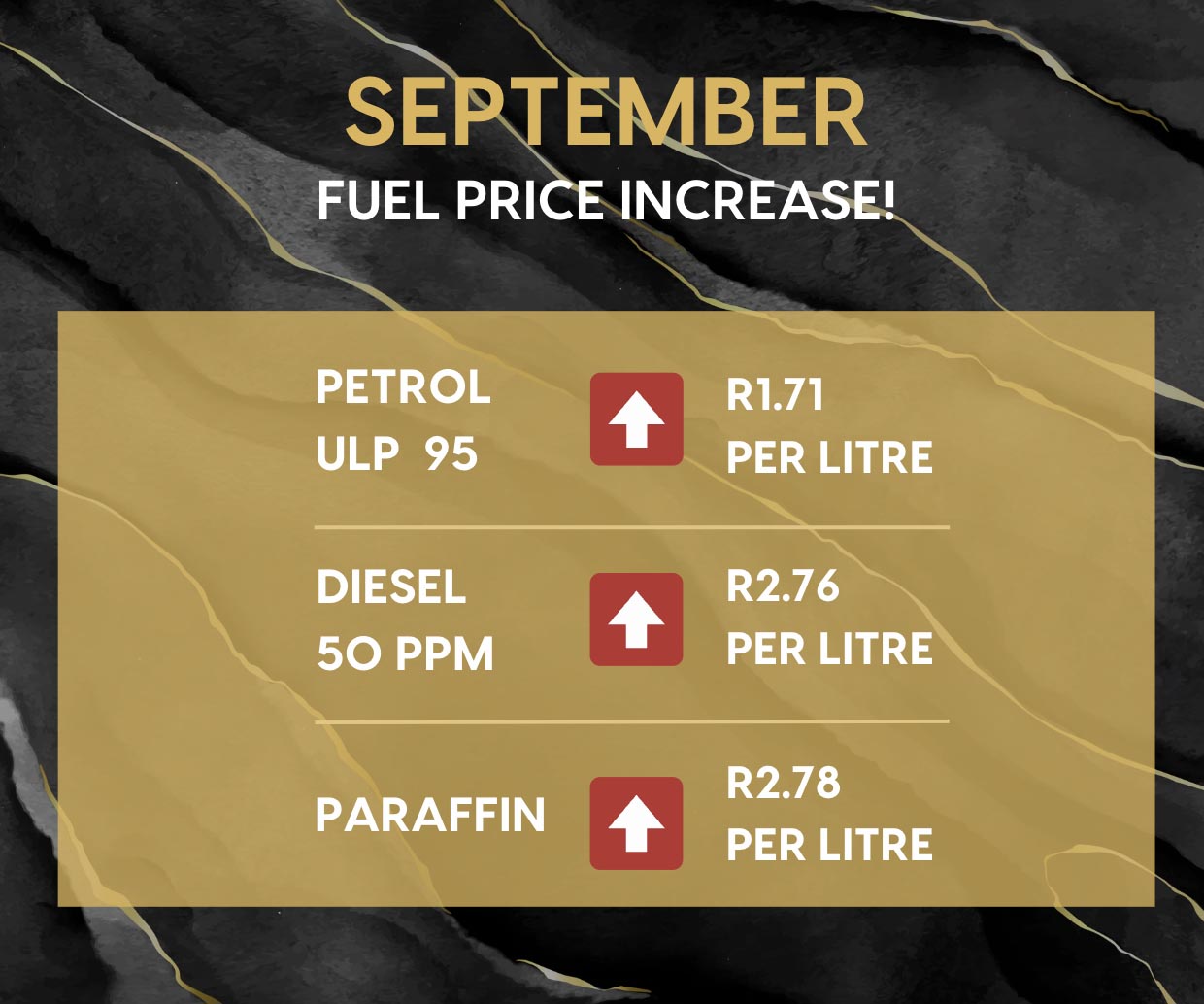
Fuel Price Shock: September 2023’s Costly Ride.
October Fuel Forecast: Stormy Skies Ahead for Petrol Prices
South African motorists face another turbulent month as October kicks off with ominous signs for petrol prices. October fuel forecast indicate, stormy skies ahead for petrol prices.
The Central Energy Fund’s latest data paints a bleak picture, with significant under-recoveries for both petrol and diesel. Petrol is currently experiencing under-recoveries ranging from R1.61 to R1.65, while diesel faces an even larger gap of between R2.69 and R2.87.
Market conditions would need a dramatic shift to favor drivers, as August saw under-recoveries transform into price hikes. A weakening rand and rising global oil prices are contributing to the gloomy outlook, meaning motorists should brace for potential wallet-wrenching hikes this month. Stay informed and consider budgeting wisely to navigate these challenging times.
Unlocking Efficiency: A Path to Lower Fuel Consumption
In 2023, efficiency is the name of the game for South African businesses looking to cut fuel costs and reduce their environmental footprint. Here’s a roadmap to help clients make their operations more energy-efficient:
- Vehicle Maintenance: Regular vehicle servicing and maintenance can improve fuel efficiency significantly. Encourage clients to adhere to maintenance schedules and promptly address issues.
- Route Optimization: Utilize route planning and GPS systems to minimize unnecessary mileage and reduce fuel consumption.
- Eco-Driving Training: Provide training on eco-driving techniques to drivers. Simple practices like smooth acceleration and reduced idling can yield substantial fuel savings.
- Fleet Upgrades: Explore newer, more fuel-efficient vehicles and technologies. Consider transitioning to electric or hybrid options where feasible.
- Fuel Monitoring: Implement real-time fuel monitoring systems to identify and address fuel-wasting behaviors promptly.
In 2023, going green isn’t just about saving the planet; it’s also about saving money. By prioritizing energy efficiency, businesses can make a positive impact on their bottom line while contributing to a more sustainable South Africa.
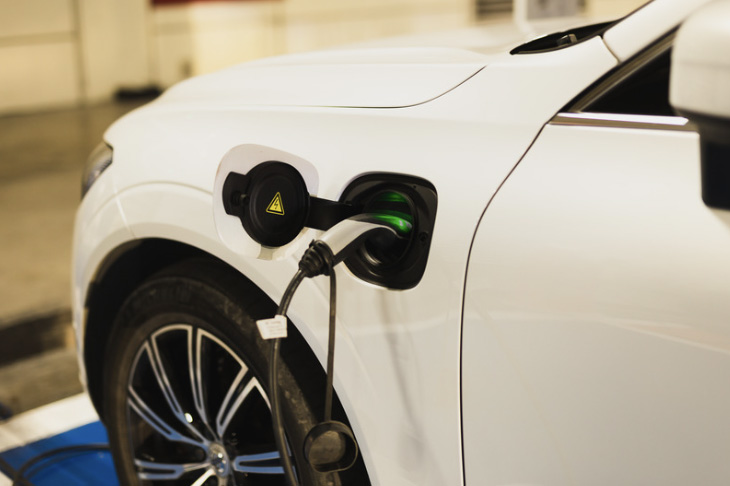
Powering Progress: Two Key Projects Brighten South Africa’s Energy Horizon
South Africa is edging closer to shoring up its energy resilience with two additional emergency power projects recently sealing vital agreements with the government. These projects, identified as preferred bidders in 2021 under the Risk Mitigation Independent Power Producer Procurement Programme (RMIPPPP), are instrumental in addressing the nation’s persistent load shedding issues.
The Oya Energy Hybrid Facility, developed by G7 Renewable Energies and ENGIE, and Umoyilanga Energy’s project by EDF Renewables, together will inject 203MW of clean energy into the grid. This output translates to powering around 440,000 households for two decades.
Despite hurdles and delays, only five of the 11 preferred RMIPPPP bidders have inked legal deals. Oya Energy Hybrid Facility and Umoyilanga Energy have until December 2023 to secure funding and commence construction, with power generation anticipated by 2025.
These projects represent not only energy security but also substantial investments and job prospects, with an estimated R14.6 billion in investments and nearly 4,000 job-years expected in construction and operation. Over the projects’ 20-year lifetimes, over R610 million is earmarked for skills development and enterprise support, further advancing South Africa’s socioeconomic growth. These ventures are pivotal strides towards ensuring a dependable and sustainable energy future.
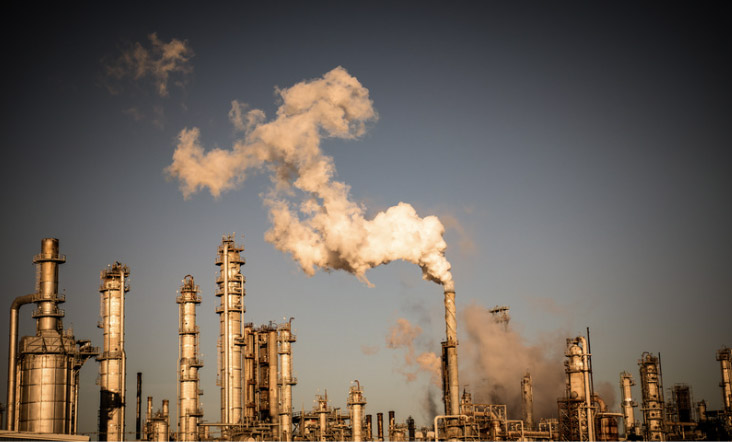
Oil Refinery Closures and the Path to Electric Vehicles in South Africa
Amid South Africa’s persistent electricity blackouts, a critical concern often overlooked is the security of liquid fuels supply. Despite liquid fuel sales surpassing electricity sales by 60% in value, the issue has received scant attention. Recent temporary closures of oil refineries, including the Natref refinery, have highlighted supply vulnerabilities due to global disruptions linked to Russia’s actions in Ukraine. With Natref as the last remaining refinery, three others have shuttered in the past two years. These closures reveal a longstanding struggle between oil refiners and the government’s efforts to implement cleaner fuel standards and transition towards electric vehicles, aligning with international trends.
In conclusion, South Africa stands at a crossroads, facing challenges and opportunities in its energy landscape. The closure of oil refineries underscores the urgency of embracing cleaner fuels and transitioning to electric vehicles, offering a path toward a more sustainable, secure, and resilient energy future for the nation.