

Dear Customer
In our ongoing commitment tosustainability and reducing carbonemissions, we are excited to sharesome valuable tips to enhance fuelefficiency. By implementing thesepractices, you can not only save moneybut also contribute to a greener future.
Here are some key pointers, to help you prioritising safety:
- Maintain Proper Tire Pressure: Ensure your tires are inflated to the recommended level, as underinflated tires can increase fuel consumption.
- Smooth Acceleration and Braking: Avoid sudden acceleration and heavy braking, as these actions consume more fuel. Maintain a steady and moderate driving style.
- Reduce Excess Weight: Remove unnecessary items from your vehicle, as extra weight increases fuel consumption.
- Regular Vehicle Maintenance: Schedule routine maintenance to keep your engine in top shape, including oil changes, air filter replacements, and spark plug inspections.
- Plan Efficient Routes: Use navigation systems or apps to find the shortest and most fuel-efficient routes, minimizing idle time and congestion.
By incorporating these simple yet effective practices into your drivingroutine, you can play an active role in curbing emissions andmaximizing fuel efficiency.
Nico LeGrange
Director of Vfuels
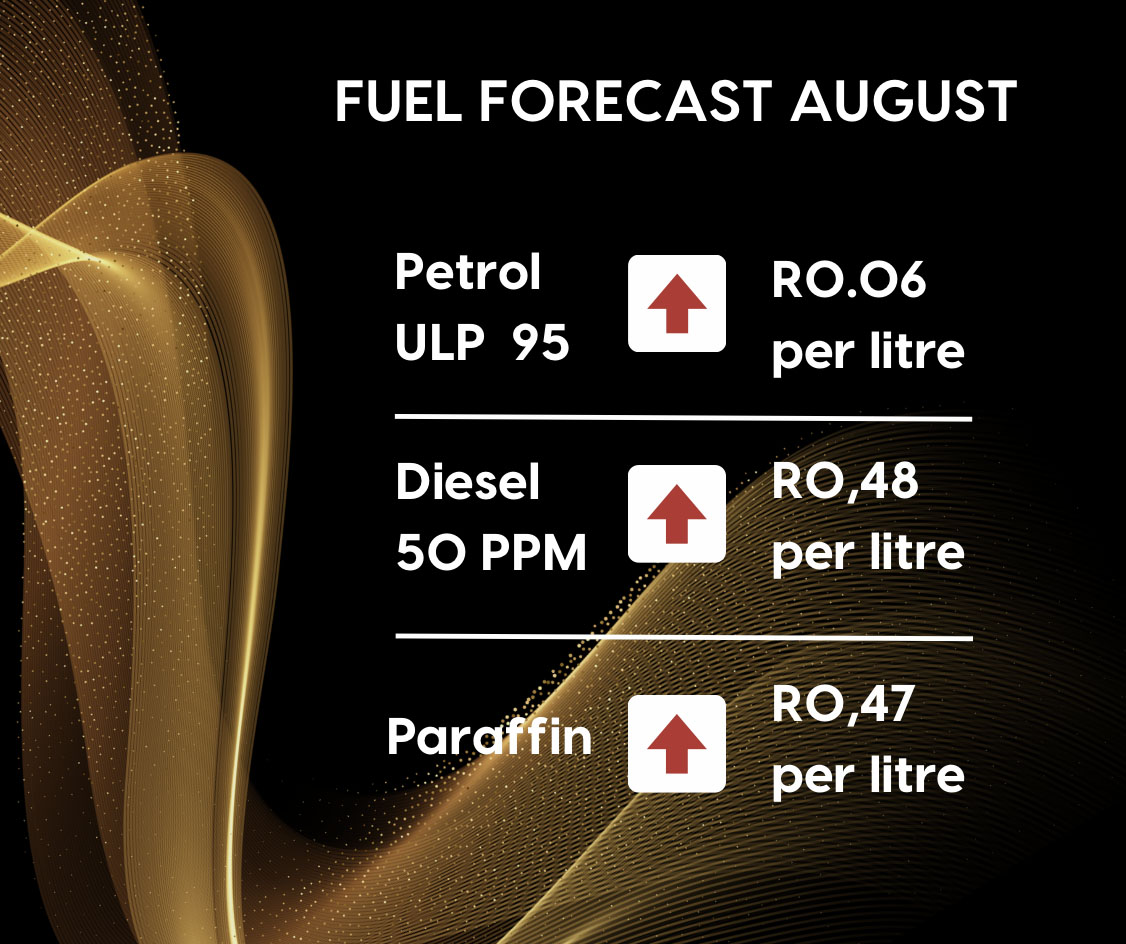
Fuel Price Rollercoaster: August Outlook Uncertain as Rand Struggles Against Dollar
Petrol and diesel prices in South Africa are expected to have a mixed
outlook for the month of August due to the fluctuating exchange rate
between the rand and the dollar. In the first week of July, petrol
prices were reduced by 17 to 24 cents per litre, while diesel prices
increased by 12 to 18 cents per litre. The Central Energy Fund (CEF)
predicts a potential price increase of 2 – 7 cents per litre for petrol
and a potential price increase of 40 – 50 cents per litre for diesel in
August.
However, the recent weakening of the rand, which traded above R19 to the dollar, and the rise in global oil prices present challenges. The US Federal Reserve’s indication of further interest rate hikes and the tight labor market in the United States have contributed to the weakening of the rand. The cost of importing petroleum products becomes more expensive when the rand is weaker, negatively impacting fuel prices.

Additionally, OPEC+ leaders Saudi Arabia and Russia have tightened oil supplies, leading to higher prices. While oil prices have decreased by 10% this year, short-term changes can still affect local fuel prices. Overall, the petrol and diesel price outlook for August remains uncertain, dependent on factors such as the exchange rate and global oil prices.
Fueling the Fire: South Africa’s Bold Move to Tackle Blackouts Ignites Controversy
South Africa is grappling with chronic 10-hour-per-day blackouts, and a potential solution is causing a stir. The country’s Electricity Minister has announced an emergency procurement program to address the power shortage over the next five years. While natural gas will provide some power, the remaining portion could come from burning heavy fuel oil, a controversial choice.
This decision has drawn criticism from environmental organizations, who have actively campaigned against the use of heavy fuel oil. As South Africa seeks to tackle the blackouts, this bold move sparks a heated debate, raising questions about the balance between immediate power needs and long-term sustainability.
Sasol’s Bid for Exemption Fails: Urgent Action Needed to Curb Dangerous Emissions
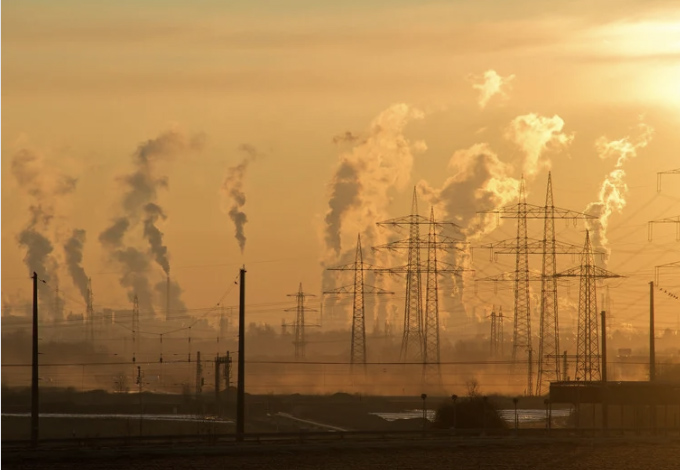
Sasol’s attempt to secure an exemption for sulfur dioxide emissions at its Secunda petrochemical complex has been unsuccessful. The decision by South Africa’s national air quality officer comes as the country’s environment minister, Barbara Creecy, increases pressure on the nation’s two biggest polluters, Eskom and Sasol, to comply with emissions limits.
The ruling pertains to sulfur dioxide emissions from coal-fired boilers at the Secunda plant. Sulfur dioxide pollution has been tied to acid rain, respiratory disease, strokes, and heart attacks. While Sasol plans to appeal the decision, the importance of addressing the sulfur dioxide emissions from Secunda cannot be understated.
The surrounding area already experiences air pollution levels comparable to some of the most polluted cities in the world, resulting in numerous deaths each year. Immediate action is needed to tackle this critical issue and protect public health and the environment.