

Winter has come, bringing load shedding and high fuel prices with it. In this week’s newsletter, we look at what the closing of our local refinery fleet means for South Africa, as well as why our fuel prices are so high.
Will South Africa Be Dependent On Fuel Imports?
According to recent media reports, South Africa’s dependence on fuel imports is set to rise as local refineries seem to be shutting their doors one by one. Various factors are to blame for this, but ultimately the refineries are just not being seen by the various owners as economically attractive operations anymore.
The latest blow was when the country’s largest crude refinery, Sapref, shut down at the end of March, with the owners, Shell and BP, looking to sell if possible. Rumour has it that the South African government, through the Central Energy Fund, want to buy it.
However, we still have Sasol producing about 150 000 bbl/d crude equivalent of synthetic fuels, and the 100 000 bbl/d Astron Energy plant in Cape Town is expected to restart sometime this year. Other than that, we still have Natref, which produces 108 000 bbl/d.
This is not enough to cover South Africa’s 25-billion litres a year fuel demand, so imports are inevitable. However, the good news is that it shouldn’t make much difference to the cost since we have to import our crude oil before refining it anyway.
Will South Africa’s ailing ports be able to handle the increased traffic? That remains to be seen.
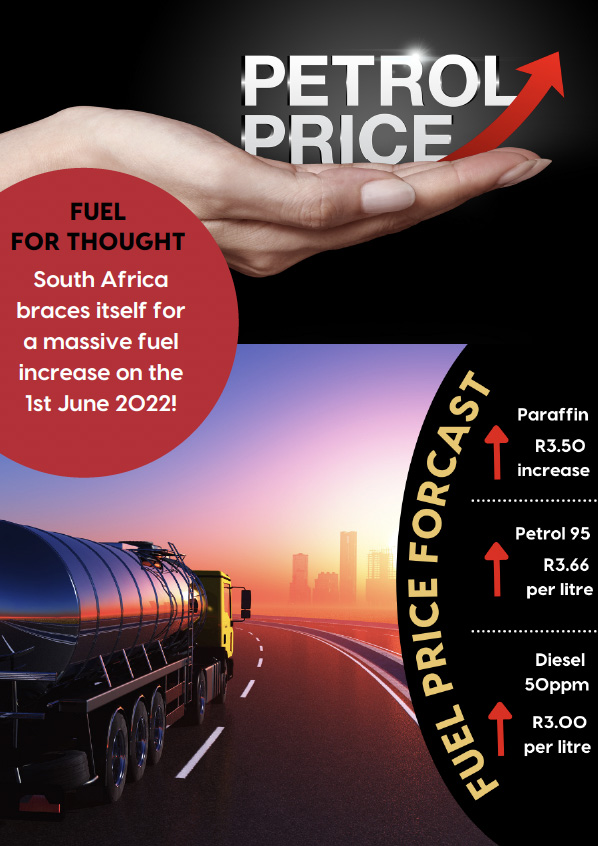
Why Is The Fuel Price So High?
The fact that we’re seeing record-high fuel prices is not in dispute. It’s not just in South Africa either. The reasons for the massive and relentless increases in fuel prices are numerous, and not everyone is in agreement on all of them.
Russia supplies about 10% of the world’s crude oil. The war in Ukraine is certainly affecting supply, although some pundits believe the global economic effects of the sanctions on Russia will not have a lasting impact and will blow over before long. They believe the conflict won’t have any material impact on the global supply and demand of petroleum products in the medium to long term, only in the short term.
Some other pundits have blamed US President Joe Biden’s energy policies for contributing to the surge in oil prices. Biden’s anti-fossil fuel stance and restrictive oil production policies have caused global crude oil prices to skyrocket. If Biden were to embrace the oil sector more, experts believe prices would drop.
That said, our local government’s various fuel levies serve to nearly double the price of petrol at the pump. Perhaps if they could relax the tax, we could have some relief.

Keep an eye out for our next newsletter and stay in tune with the fuel sector. Contact us for more information.