

In recent years, the fuel industry has experienced dynamic shifts influenced by several factors. Global geopolitical developments, such as trade agreements and political tensions, have a direct impact on fuel prices and availability. Additionally, the increasing emphasis on environmental sustainability has led to the exploration of alternative fuels, such as biofuels and electric vehicles, which are gradually gaining traction in the market.
Looking ahead, emerging technologies, such as advanced fuel refining methods and the integration of renewable energy sources, are expected to shape the future of the industry. These innovations aim to enhance fuel efficiency, reduce carbon emissions, and promote a more sustainable fuel ecosystem.
As your trusted fuel distributor, we remain committed to staying ahead of these trends and adapting our operations to meet your evolving needs. We will continue to monitor market developments closely and provide you with the latest updates and solutions.
Thank you for your continued support.
Nico LeGrange
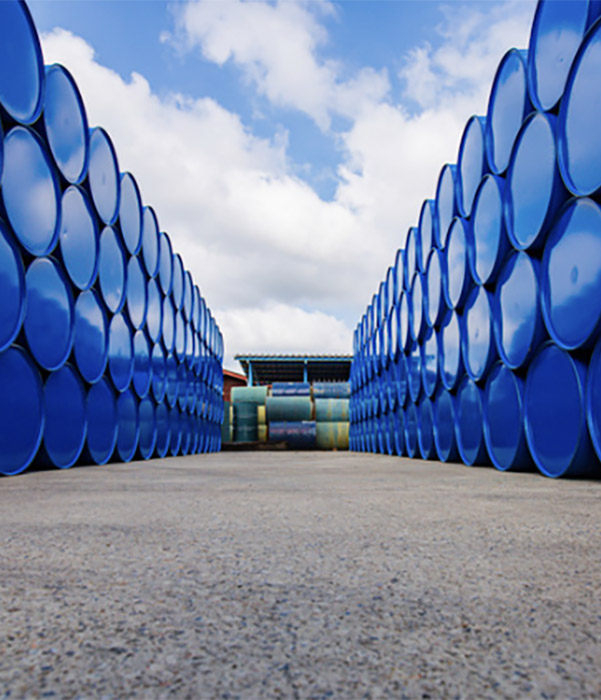
Safeguarding Safety and the Environment: Best Practices for Fuel Storage and Handling
Fuel storage and handling demand strict adherence to best practices in order to guarantee safety, prevent spills, and promote environmental sustainability. By implementing the following guidelines, we can safeguard our surroundings and minimize potential risks:
- Choose appropriate storage containers and tanks specifically designed for fuel storage, ensuring they are in good condition and leak-free.
- Regularly inspect and maintain storage systems to identify and address any signs of corrosion, damage, or leaks promptly.
- Handle fuel with care by wearing personal protective equipment and avoiding open flames or smoking near storage and handling areas.
- Package fuel securely in approved, leak-proof containers when transporting, while complying with transportation regulations.
- Maintain spill response kits equipped with absorbent materials and train employees on proper spill response procedures.
By embracing these best practices, we can effectively reduce accidents, protect our employees, and contribute to a sustainable future. Prioritizing safety and environmental responsibility throughout fuel storage and handling is key to preserving our world for generations to come.
Fuel Industry’s Commitment to Environmental Health and Safety: Cleaner and Safer Fuel for All
The fuel industry is committed to improving its environmental health and safety (EHS) practices, with a focus on cleaner and safer fuel options for all. This commitment involves investing in renewable energy sources, reducing emissions, and enhancing safety measures.
By investing in renewable energy sources, the industry is not only reducing its environmental impact but also providing cleaner and more sustainable fuel options for consumers. Additionally, the industry is working to reduce emissions from refineries and transportation, which has a significant impact on public health.
Improving safety measures is also a top priority for the fuel industry. This includes investing in safety equipment and training programs, developing emergency response plans, and conducting regular inspections and audits. By doing so, the industry is reducing the risks of accidents and spills, which can have negative impacts on both the environment and public health.
In summary, the fuel industry is committed to improving its EHS practices and providing cleaner and safer fuel options for all.

Fuel Additives Unveiled: Optimizing Performance and Efficiency
Fuel stabilizers are crucial for fuel storage. They prevent fuel degradation over time, particularly during long periods of storage. By maintaining fuel quality and preventing the formation of harmful substances, fuel stabilizers ensure reliable performance when the fuel is needed.
To fully capitalize on the benefits of fuel additives, it is essential to work with trusted fuel suppliers who offer high-quality fuels blended with the appropriate additives. These suppliers stay updated with the latest advancements to provide optimal products and achieve exceptional results.
Whether you are in the transportation, manufacturing, or any other industry relying on fuel, understanding the potential of fuel additives can greatly enhance your operations’ efficiency and performance. Explore the possibilities, consult with knowledgeable experts, and unlock the untapped benefits that fuel additives can offer.
Remember, the right fuel additives can make a significant difference in your fuel-related operations, empowering you to achieve greater productivity, longevity, and cost-effectiveness.
Contact us now for more
information: +27 (10) 125 0362