
Dear Reader
As we enter the new year, we look back at how much the fuel sector has had to survive and what lies ahead for 2023. Fuel plays a critical role in SA’s (and the world’s) economy, so it is vital that we keep a close eye on its movements and effects on inflation. Here’s to starting the year in-the-know to best position ourselves for what lies ahead.
Astron Energy Refinery Coming Back Online In South Africa
The Astron Energy Refinery, previously owned by Chevron SA, is going to be coming back online after a major fire at the plant caused it to shut down in 2020. The repaired refinery, which has the capacity to refine 100 000 barrels of crude oil per day, was started up again in December and is expected to start supplying the market at an unspecified point this year.
The refinery has been upgraded and refurbished so that it cannot only produce additional fuel products but also produce fuels that comply with South Africa’s new clean-fuel laws.
Deregulating 93 ULP
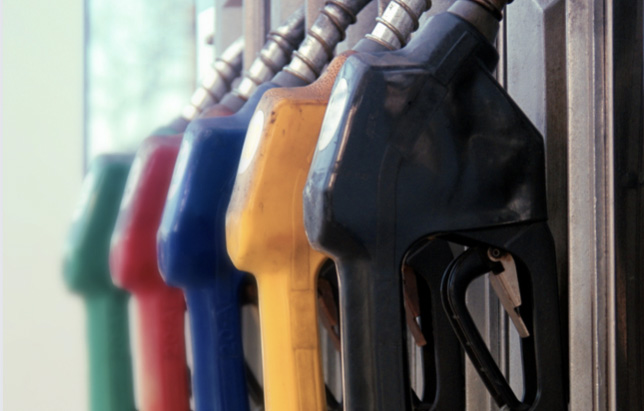
The deregulation of the fuel price in South Africa has long been on the cards as a way to drive the cost of fuel down for consumers. However, the Department of Mineral Resources and Energy invited comment on its intention to introduce a price cap on 93 ULP last year in June.
The upside to this proposal is that it would allow retailers to implement petrol discounts at their discretion, creating a more competitive market that would reduce the price for consumers.
Food Prices Keep Inflation High
Although global food price inflation has mellowed out over the past few months, South African food prices continue to skyrocket. This rampant food price inflation is one of the most significant drivers of overall inflation ‒ a trend that has been consistent for more than seven months. Overall, a 12.5% rise in food and non-alcoholic beverages has dwarfed the meagre 2.1% increase recorded a year prior.
Experts attribute the elevated food price inflation rate to the delayed impact now being played out as a result of a dramatic spike in input costs earlier last year.
Fuel Saving Tips For 2023
- One of the most effective ways to improve your fuel efficiency is to avoid aggressive driving. This means avoiding speeding, as well as rapid acceleration and sudden braking. Try to maintain a consistent speed and anticipate traffic patterns.
- Keep your tires properly inflated, as underinflated tires can increase fuel consumption.
- Avoid carrying unnecessary weight in your vehicle, such as sports equipment, tools or heavy packages.
- Keeping your windows closed while driving at speeds over 60 km/h can help reduce drag and improve fuel efficiency.
- Similarly, using air conditioning sparingly can also help you save fuel. When possible, try to park in the shade or use natural ventilation instead of turning on the AC.
- Plan your errands and combine them into one trip wherever possible.
- Maintain your vehicle so that fuel efficiency remains at peak levels.
Keep an eye out for our next newsletter as we strive to keep you up to speed on some of the most interesting and pressing news affecting the fuel sector. Until next time!