

South Africa’s Power Grid Remains Vulnerable: Government’s Plans to Avoid Stage 11 Load-Shedding
South Africa’s power grid is at risk of experiencing stage 11 load-shedding this winter if Eskom’s coal fleet’s capacity factor remains at 40%. The Virtual Energy and Power director predicts that stage 4 power cuts will need to be implemented to stabilize the grid between April and September 2023. However, newly appointed Electricity Minister Kgosientsho Ramokgopa disagrees with this prediction, anticipating that there will be no higher stages of load-shedding than stage 6.
Ramokgopa is confident that Eskom will improve the performance of power plants, including Kriel and Duvha, and bring load-shedding under control. He also expects that four of the five out-of-action units at Kusile Power Station will be back online by December 2023, and the last unit will be operational by February 2024. While the government and Eskom must continue to work towards improving energy generation and reliability to prevent widespread power outages, Ramokgopa’s optimism provides some hope for South Africa’s power supply in the coming months.
“Transparency in Question: Eskom Exempted from Declaring Irregular and Fruitless Spending”
The recent exemption granted to Eskom, a state-owned power utility in South Africa, from disclosing irregular and fruitless expenditure in its financial statements has raised concerns among stakeholders. The exemption was issued due to technical accounting issues under the Public Finance Management Act (PFMA).
However, Eskom must still disclose all relevant information required by International Financial Reporting Standards (IFRS) and general debt listing requirements. The exemption aims to prevent qualified audit findings, which could pose a threat to debt covenants between lenders and state-owned entities. While the measure has faced criticism, the Treasury plans to issue a technical explanation soon to clarify the rationale behind the exemption.
Eskom seeks to restore its balance sheet to health through debt relief to invest in new transmission infrastructure.

Fuel Your Success: The Importance of Bulk Fuel Management
Effective bulk fuel management is essential for organizations to optimize fuel usage and minimize costs. Proper fuel storage can prevent contamination and degradation, while automated tracking systems can ensure timely fuel ordering and prevent downtime. Regular fuel quality testing can help identify potential issues, and fuel-efficient practices like driver training and vehicle maintenance can reduce fuel consumption. By taking proactive steps to manage fuel effectively, organizations can fuel their success.

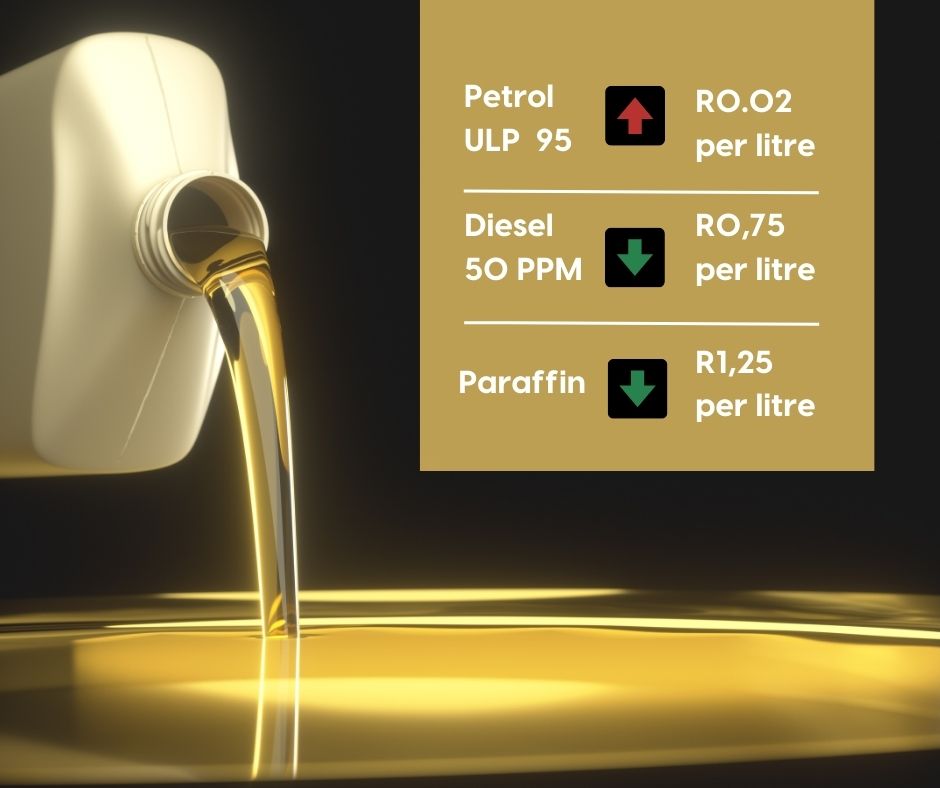
Navigating the Fuel Price Rollercoaster: Tips for South African Business Owners
South Africa’s fuel prices have been a hot topic for business owners, especially those in the transportation industry. The country’s fuel prices are among the highest in the world due to several factors, including taxes, import costs, and fluctuations in the international oil market.
Business owners who rely heavily on fuel for their operations are feeling the pinch of these high fuel prices. However, there are several measures they can take to mitigate the impact of rising fuel costs. One of the most effective ways is to optimize their fleet management practices, including route planning, fuel-efficient driving techniques, and regular vehicle maintenance.
Business owners can also consider investing in alternative fuels, such as biodiesel or compressed natural gas, which can reduce fuel costs while also being more environmentally friendly. Another option is to negotiate fuel prices with suppliers and bulk purchase fuel, which can lead to cost savings in the long run.
Overall, while South Africa’s fuel prices may be high, business owners have options to minimize the impact on their operations. By implementing efficient fuel management practices and exploring alternative fuels, they can continue to thrive in a challenging economic environment.
Watch out for more newsletters as we work to keep you informed on some of the most intriguing and important news affecting the petroleum industry. See you next time!