

We have seen so many impactful shifts in recent months, from price hikes and the subsequent cost influxes to major changes in spending attitudes.
Fuel is an extremely sensitive issue at the moment due to the heavy hits the pricing has been delivering to the economy and quality of life at large. To make things easier and keep you up to speed, we have put together some key information you need to be familiar with regarding the fuel industry.
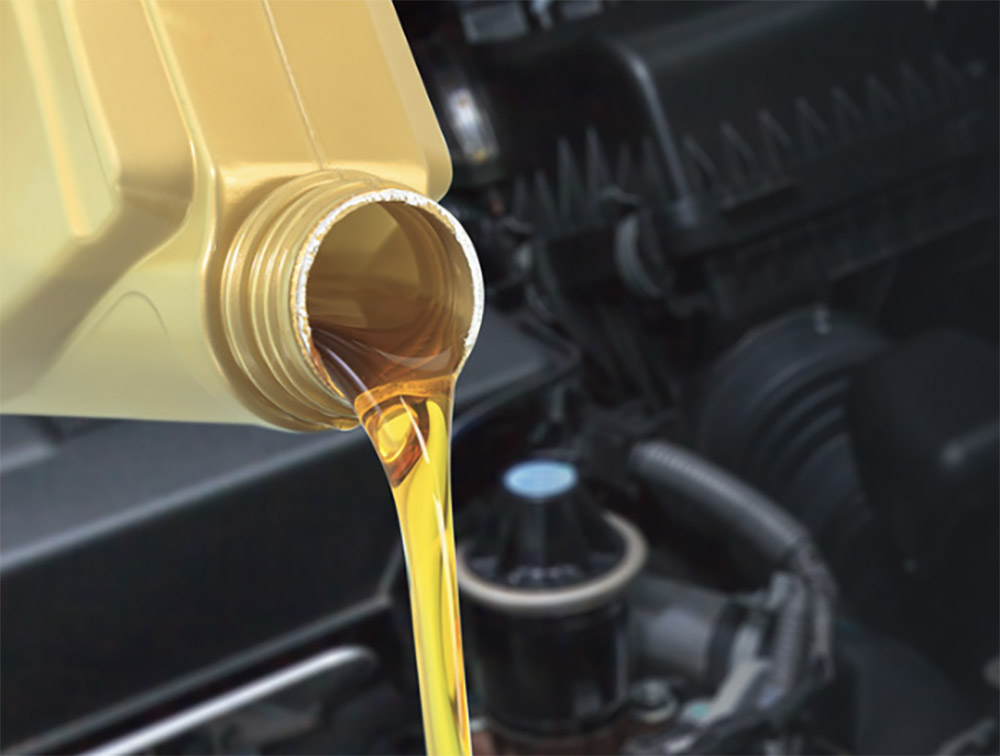
What The Worldwide Automotive Lubricants Industry Is Expected To Reach By 2030
With an expectation that the industry will register a revenue CAGR of 5.3% over the forecast period, automotive lubricants are a fast-growing market. Due to the rise in demand, the industry has seen rapid economic development and industrialisation in developing countries, expected to reach $97.5 billion by 2030.
Automotive lubricants are designed to reduce friction between two surfaces, which leads to greater efficiencies within the vehicle and, therefore, less fuel consumption or cost as well as better maintenance. Moreover, the desire for an increase in both commercial and personal vehicles means that automotive lubricants are at the forefront of the boon in transportation and fuel needs.
Avoid Common Mistakes That Are Costing You Your Fuel Efficiency
Making sure you get the most out of your fuel bill through driving more efficiently and implementing simple tips that you can start doing TODAY is the number one way you can plan to bust the large fuel expense we are facing. Here are the best ways to decrease your fuel consumption:
Watch Your Speed
Using cruise control or calculating the best average speed for your car in terms of fuel use is a crucial factor in ensuring that your fuel is used efficiently.
Use Your Gears The Right Way
Don’t waste fuel by over-revving your engine, and frequently change gears to ensure that you are using the correct gear, always aiming to reach the highest suitable gear as you go.
Easy Does It
Gentle acceleration and braking are key components of smooth driving technique and, subsequently, fuel efficiency. Anticipate changes in traffic ahead of you to ensure that you can avoid hard stops or unnecessary aggressive acceleration.
Get Lighter
If you can remove excess weight from your vehicle and reduce drag, then you can reduce the strain on your fuel consumption. Detach bike racks when not in use and avoid overloading your vehicle wherever possible.
More Tips
- Good car maintenance (specifically tyre maintenance)
- Avoid overuse of the aircon
- Avoid short trips where possible
- Avoid traffic hotspots
- Consider upgrading your vehicle
HEADS UP…. THE NATION’S EXPECTED FUEL PRICE FOR SEPTEMBER!
According to the latest compiled data, motorists can expect to see a significant decrease in petrol and diesel prices in September 2022. Here are the price cuts we can look forward to as published in Businesstech in mid-August:
- Decrease Diesel R1,65 per litre
- Decrease Petrol 95: R2,40 per litre
- Decrease Petrol 93: R2,25 per litre
While these prices are said to be merely indicative at this point, analysts are encouraging motorists to remain hopeful for significant reductions in September.
Look out for our next newsletter to stay informed and up to speed on the issues affecting the fuel industry.