
Helping You Stay Up-To-Date With The Issues Affecting The Fuel Industry
Fuel prices are at an all-time high, which is causing considerable economic damage to the country. It is within this context that we explore how to save on fuel costs by buying bulk and how to avoid getting your fuel stolen out of your vehicle by opportunistic thieves. Lastly, we look at how South Africa could potentially reduce the fuel price.
Does Bulk Buying Make Sense?
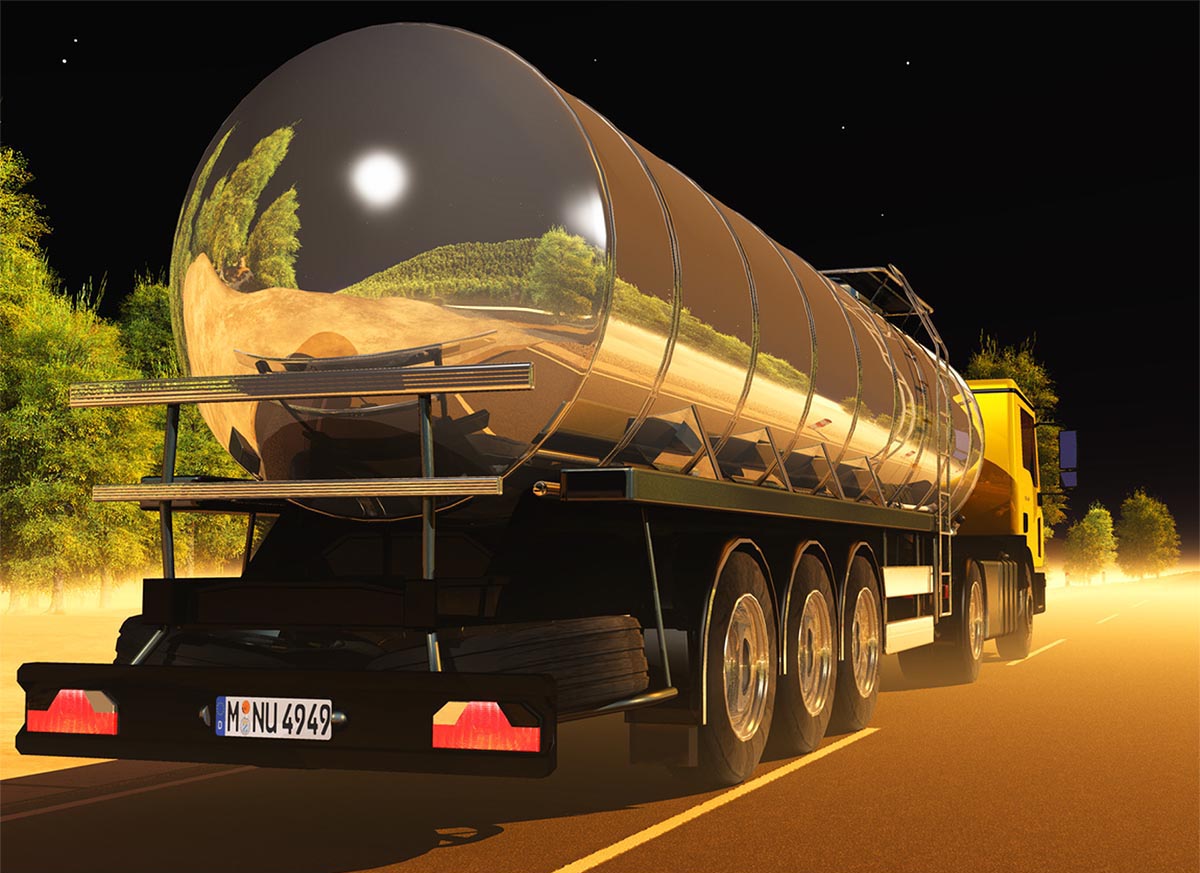
Record-high fuel prices across the globe have made many businesses search for ways to contain the cost somewhat. One of the ways to do this is to buy fuel in bulk. However, buying in bulk only makes sense in certain situations.
1. Buying fuel in bulk only makes sense if your business operates a large fleet, as the significant capital expenditure needed to install and manage bulk fuel storage and dispensing infrastructure can render the return on investment unfavourable.
2. You might have a large fleet, but is there a permanent centralised hub from which the fleet operates? If your operations are decentralised and geographically spread out, then bulk fuel buying might not be profitable for your business.
3. Assuming you have a large fleet and your operation is centralised, the next thing that will determine if bulk buying makes sense is whether you have enough space on your premises. Bulk fuel needs enough space to accommodate storage and dispensing infrastructure as well as sufficient space for vehicle queues and traffic.
4. If you have met all of these conditions, you need to ensure that you have a stable and secure source of bulk fuel supply. Typically this will involve a supply contract, which you need to carefully and periodically review to ensure that the deal remains favourable despite fuel price fluctuations. If you have a good contract with a reputable and dependable supplier, then bulk buying could very well save you a significant amount of money on fuel costs.

What Can Be Done About The High Fuel Price?
Fuel has never been more expensive in South Africa than it is right now. Various factors have impacted the fuel price, such as the Russia/Ukraine conflict which has throttled supply, US restrictions on oil production in an effort to go green, as well as rampant inflation and unfavourable exchange rates.
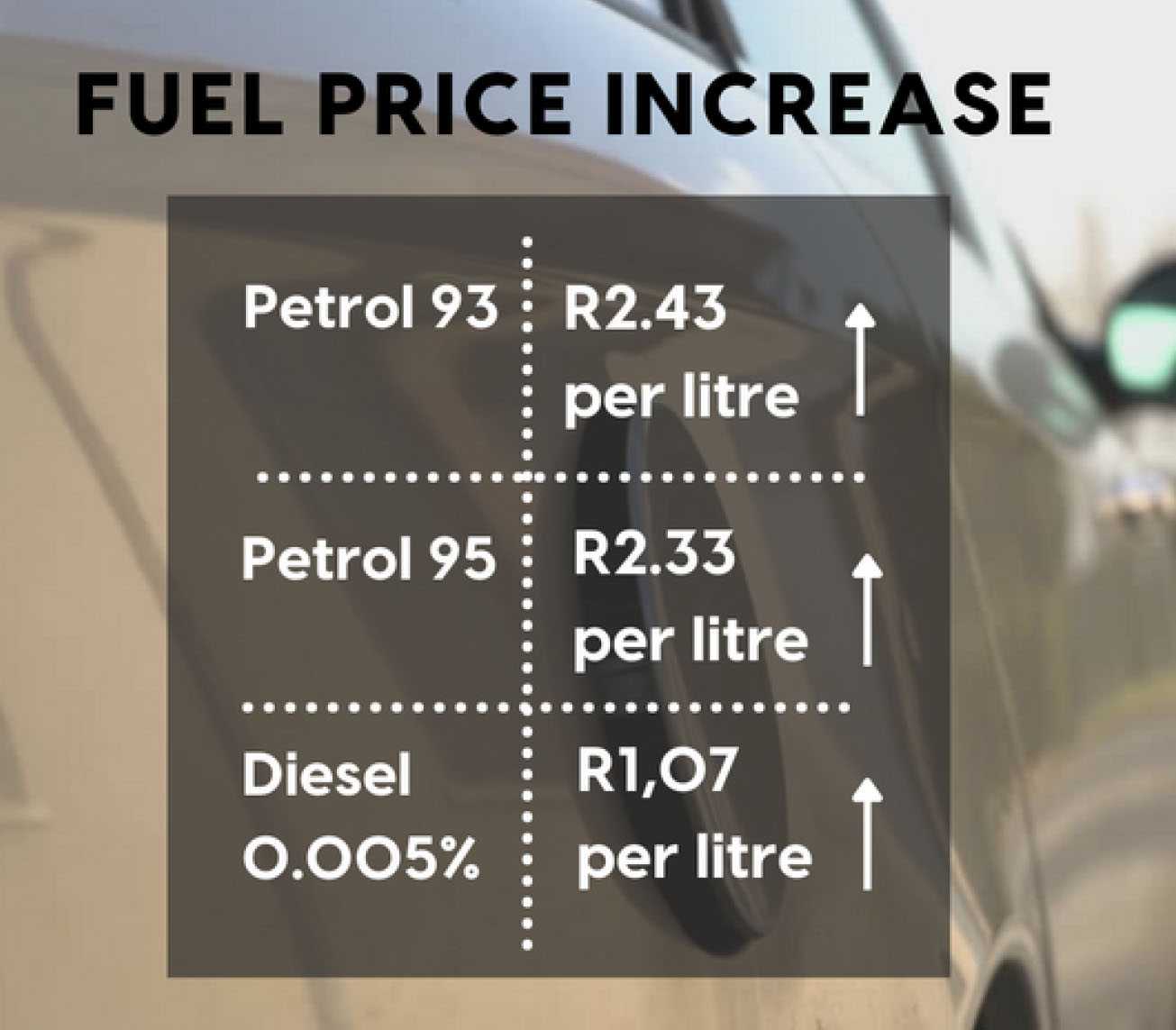
In South Africa, various government-imposed fuel levies make up about 33% of the fuel price, about 48% is dictated by international markets, about 14% is made up of wholesale and retail margins, and 6% goes to storage and distribution costs.
Several opposition parties to the ANC government have called for the government to rethink its fuel levies, as this could significantly impact the cost of fuel to consumers. Among these are calls for the Road Accident Fund levy to be significantly reduced.
Moreover, several parties have called for the deregulation of the fuel sector to increase competition among fuel suppliers, thereby reducing the cost. The DA has said it plans to table a new bill to this effect in parliament.
A fuel cap has also been suggested. However, it is not clear if this will work.
Overall, many believe a thorough review of the fuel price make-up should take place and is long overdue.
Beware Of This New Fuel Theft Method
South Africans are no strangers to crime, and with rising inflation pushing the cost of living through the roof, thieves are getting bolder and more desperate. Fuel has become a hot commodity as fuel prices are reaching record highs, and thieves have certainly noticed.
The new trick these scoundrels are using now is to climb under a parked car and puncture the petrol tank with a cordless drill or spike of some kind, draining the tank into a container they brought along.
Victims not only are faced with their extremely expensive fuel being stolen, but they are also faced with having to repair or replace the fuel tank, which can run as high R8 000 for a second-hand tank or as much as R25 000 for a new one. One can have the tank repaired for a little less, but such repairs are not guaranteed to hold forever. The tank will forever be compromised.
Because most tanks are under the vehicle and exposed, locking your car and turning on the alarm won’t be of any use. Unfortunately, for the time being, the only precaution one can take to avoid becoming a victim is to park your vehicle in a safe place that is highly visible, well lit and near to a lot of foot traffic. Preferably, you want to park where there are car guards visible who can watch your car for you. Don’t assume that your car will be safe because you’ve parked inside a paid-parking area.
Be especially vigilant about where you park if you’ve just filled your tank.
Stay tuned for more updates from us on issues affecting the fuel sector.